Don’t Assume “Natural” Means Risk-Free
This is perhaps the biggest lesson.
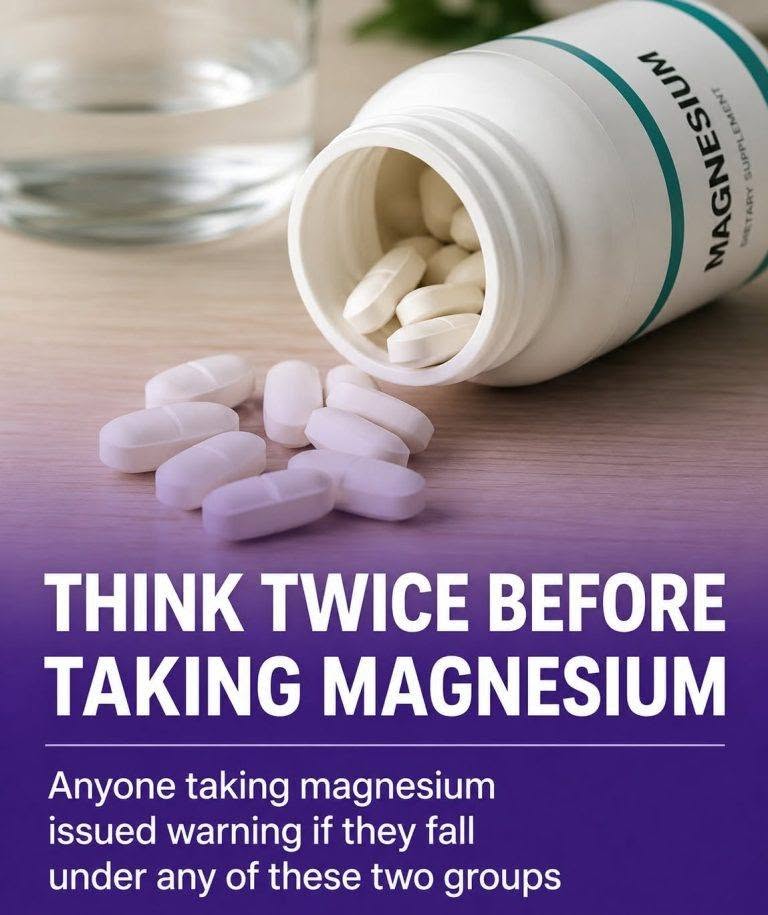
Magnesium is a mineral your body needs.
But that doesn’t mean everyone benefits from taking a concentrated supplement.
The right amount depends on factors such as diet, age, kidney function, medications, and overall health.
A person who is deficient may benefit from supplementation under appropriate guidance, while another person may have no reason to take an additional supplement at all.
What About Magnesium for Sleep?
Magnesium supplements are frequently promoted online as a natural sleep aid.
Some people report that they feel more relaxed after taking magnesium, but that doesn’t mean magnesium is a universal solution for insomnia.
If you’re having persistent sleep problems, it’s worth looking at the underlying cause rather than simply adding another supplement.
Sleep apnea, stress, medications, caffeine, pain, and many other factors can interfere with sleep.

Food Sources May Be a Better Starting Point
For many healthy people, obtaining magnesium through food is a sensible first approach.
Magnesium-rich foods include:
- Pumpkin seeds
- Almonds
- Cashews
- Beans
- Lentils
- Spinach and other leafy greens
- Whole grains
- Some fish
A varied diet can provide magnesium along with fiber, protein, vitamins, and other nutrients.
When Should You Talk to a Professional?
Before starting a magnesium supplement, consider speaking with a healthcare professional if you:
- Have kidney disease or reduced kidney function
- Take several prescription medications
- Are considering a high-dose magnesium product
- Already take other supplements containing magnesium
- Have been told you have an electrolyte imbalance
- Are unsure whether you actually need supplementation
And if you’re already taking magnesium, don’t automatically stop a prescribed or medically recommended supplement without discussing it with your healthcare provider.
The Bottom Line
Magnesium is an essential mineral, but supplements aren’t automatically appropriate for everyone.
People with kidney problems deserve particular caution because the kidneys help remove excess magnesium from the body. People taking medications should also check for potential interactions before adding a supplement to their routine.
The message isn’t that magnesium is dangerous.
It’s that the right supplement for one person may not be the right supplement for another.
Before following the latest wellness trend online, it’s worth asking one simple question:
“Do I actually need this—and is it safe for me?”