How to Get a More Accurate Reading at Home
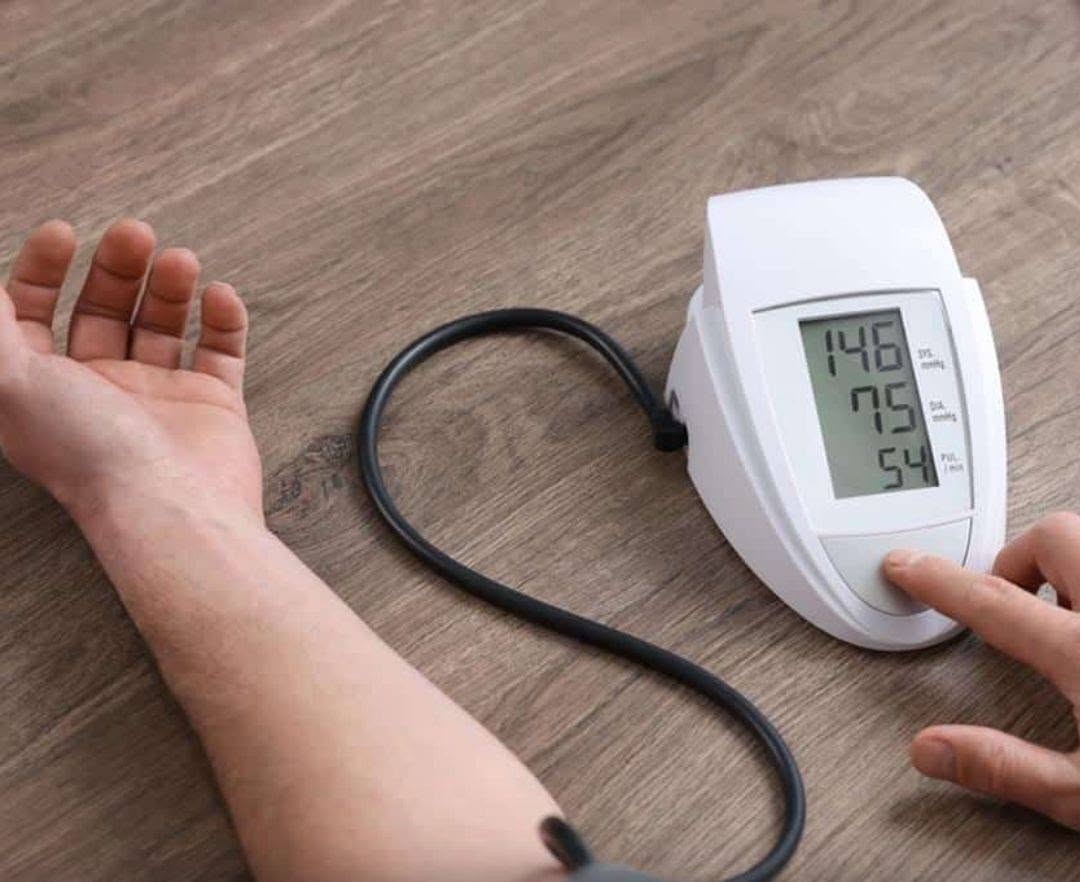
The way you measure your blood pressure can affect the result.
Before taking a reading:
- Sit quietly for about five minutes.
- Keep your feet supported and your back supported.
- Avoid talking while measuring.
- Keep your arm supported at approximately heart level.
- Take two readings about one minute apart and record the results.
The American Heart Association recommends home monitoring as an important tool for managing blood pressure.
What Can Help Maintain Healthy Blood Pressure?
Healthy lifestyle habits can make an important difference. Current guidance emphasizes:
- Eating a heart-healthy diet
- Reducing excessive sodium intake
- Staying physically active
- Maintaining a healthy weight
- Managing stress
- Getting adequate sleep
- Limiting or avoiding alcohol
These habits can help prevent or manage elevated blood pressure and hypertension.
When Is Blood Pressure an Emergency?
A reading above 180/120 mm Hg is considered severe and should not be ignored.
If a very high reading is accompanied by symptoms such as chest pain, shortness of breath, back pain, numbness, weakness, vision changes, or difficulty speaking, emergency medical attention is needed.
The Bottom Line
There isn’t one “perfect” blood-pressure number for every age. For adults, the current guideline defines normal blood pressure as below 120/80 mm Hg, while higher readings fall into elevated or hypertension categories.