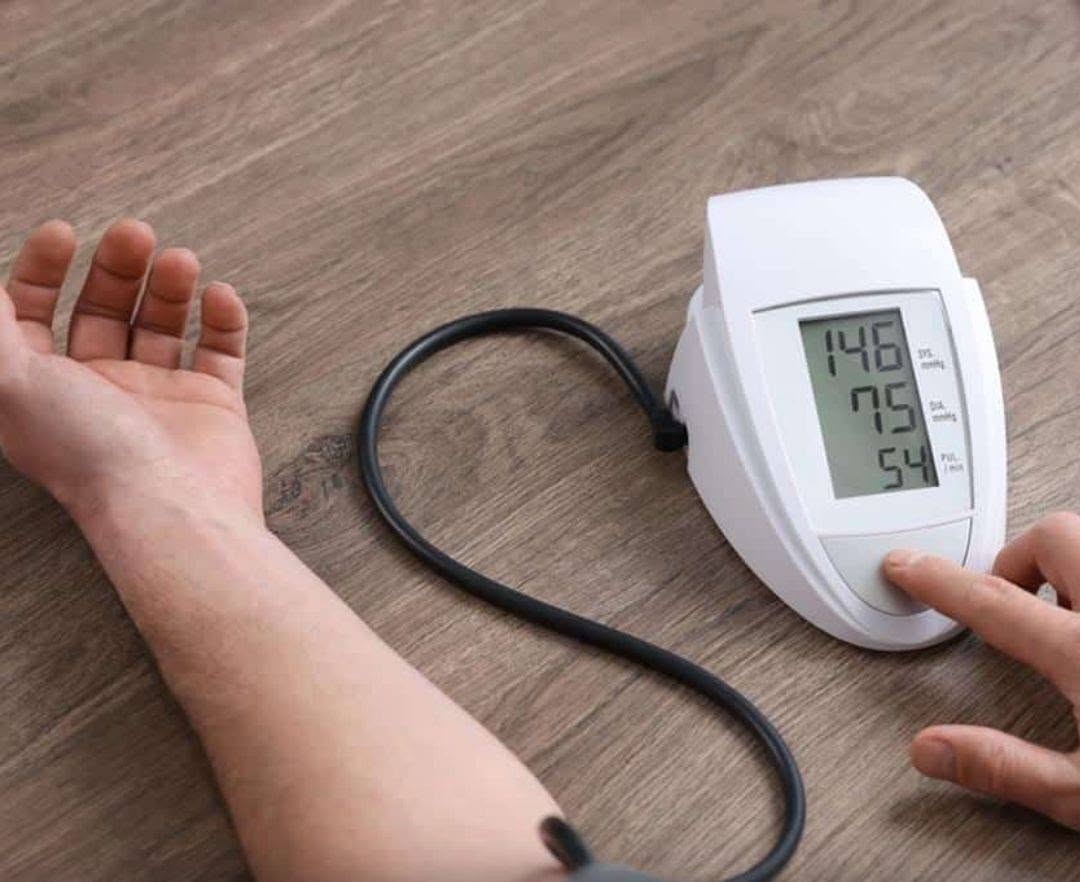
Does Normal Blood Pressure Change With Age?
This is where many online charts can be misleading.
For adults, there isn’t a separate AHA definition of “normal” blood pressure for someone in their 20s, 40s, 60s, or 70s. Less than 120/80 mm Hg remains the normal category for adults.
However, blood pressure can naturally change throughout life. Older adults are more likely to develop elevated blood pressure or hypertension, which is one reason regular monitoring becomes increasingly important.
Age can also affect treatment decisions, so a person’s overall health and medical history matter—not just a single blood-pressure number.
What If Your Reading Is 120–129?
A reading in the range of 120–129 systolic with a diastolic number below 80 is classified as elevated rather than normal.
This does not mean that you have hypertension, but it is a useful signal to pay attention to lifestyle habits such as physical activity, diet, weight management, sleep, and sodium intake.
What If Your Blood Pressure Is 130/80 or Higher?
Under the current AHA classification, a persistent reading of 130–139 systolic or 80–89 diastolic falls into stage 1 hypertension.
A single reading does not necessarily establish a diagnosis. Blood pressure can temporarily change because of stress, activity, caffeine, illness, or other factors. Your healthcare professional can determine whether repeated measurements indicate a problem.