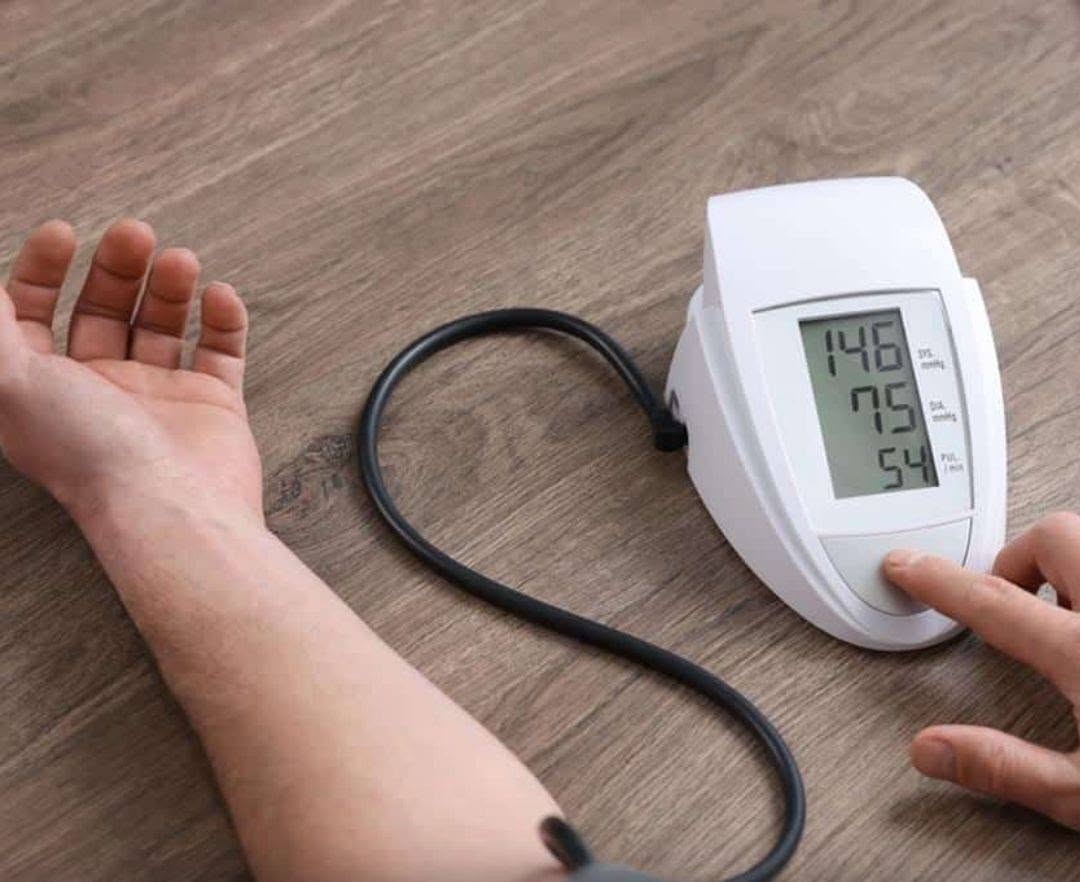
Blood pressure is one of the simplest health measurements, but it can sometimes be confusing. You may have seen different numbers described as “normal” depending on age, and that can make it difficult to know what your own reading means.
The good news is that the latest American Heart Association guidance provides a clear framework for adults. Rather than using completely different “normal” numbers for every age group, adult blood pressure is generally classified using the same categories.
What Do the Two Numbers Mean?
A blood pressure reading contains two numbers, such as 118/76 mm Hg.
- Systolic pressure is the top number. It measures pressure in your arteries when your heart contracts.
- Diastolic pressure is the bottom number. It measures pressure when your heart relaxes between beats.
Both numbers are important when interpreting a reading.
What Is Considered Normal Blood Pressure?
According to the 2025 American Heart Association guideline,