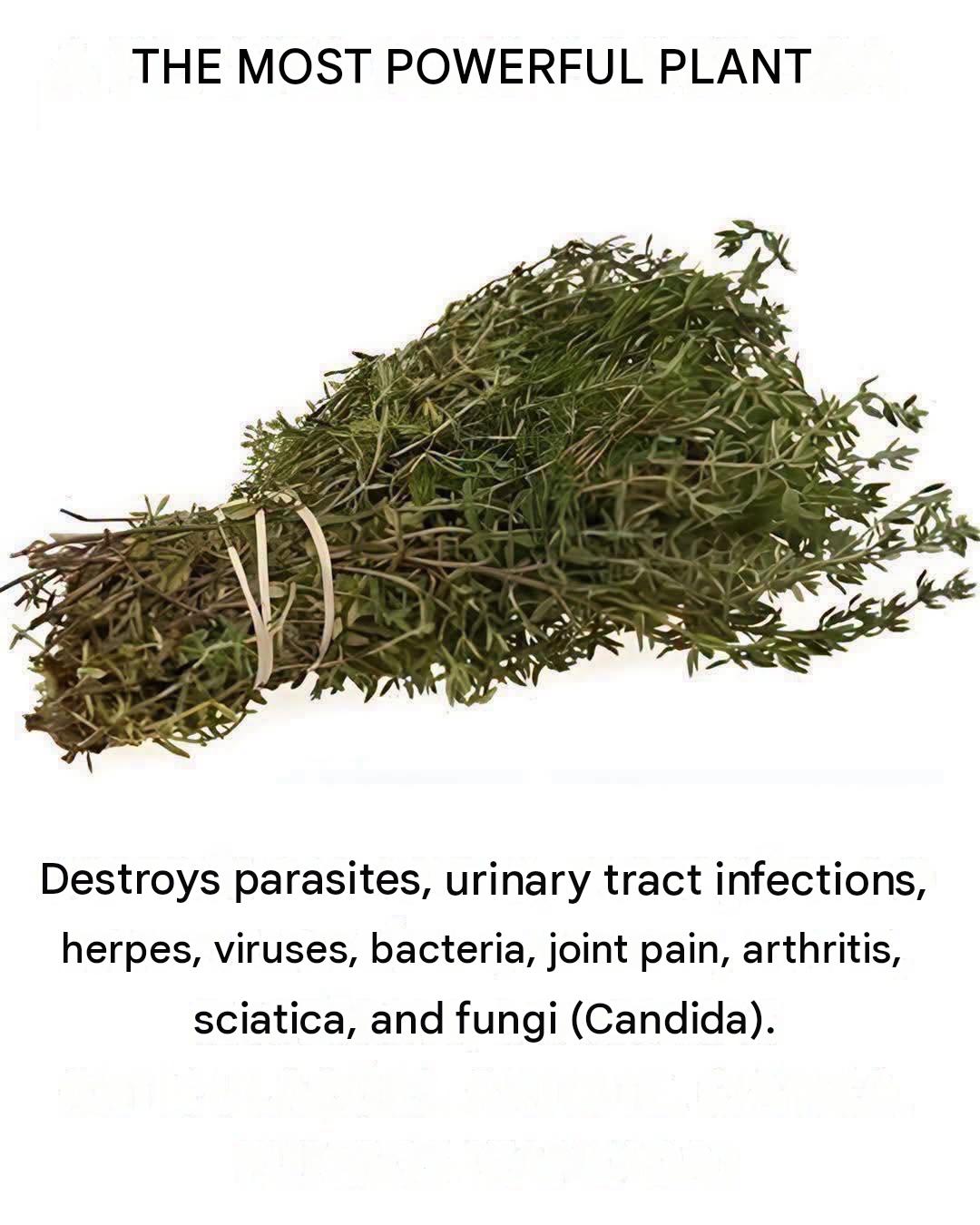
You probably have a small jar of it sitting in your kitchen right now.
It adds flavor to pizza, pasta, soups, salads, sauces, and countless other dishes. But this familiar herb has a history that goes far beyond cooking.
We’re talking about oregano.
For centuries, oregano has been used in traditional practices, while modern research has taken a closer look at some of the natural compounds found in the plant.
What Makes Oregano So Interesting?
Oregano contains several naturally occurring plant compounds, including carvacrol and thymol.
These compounds have attracted scientific interest because laboratory studies have demonstrated antimicrobial, antifungal, antioxidant, and anti-inflammatory properties.
That doesn’t mean oregano can replace medication or “cure” infections. But it helps explain why this humble culinary herb has attracted so much attention.
Carvacrol: One of Oregano’s Most Studied Compounds
Carvacrol is a major component of oregano essential oil.
Research has investigated its activity against various