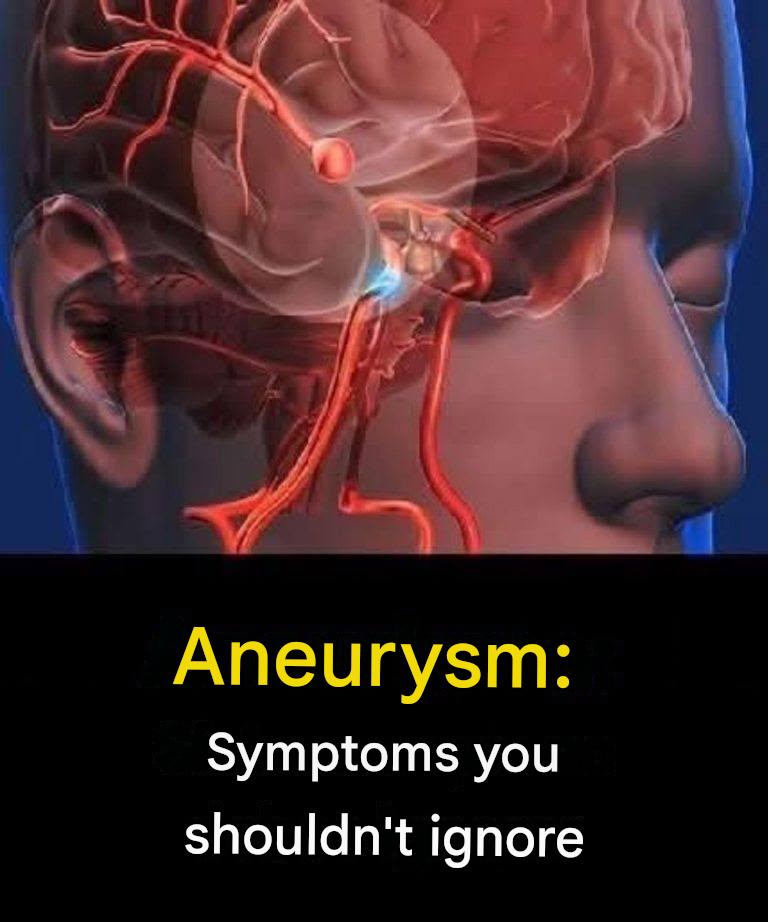
What Exactly Is an Aneurysm?
An aneurysm occurs when part of a blood vessel wall becomes weakened and begins to bulge or widen.
Aneurysms can develop in different parts of the body, including major arteries such as the aorta and blood vessels in the brain.
Some remain stable for years. Others can enlarge and, in certain circumstances, rupture.
A rupture can cause severe internal bleeding or bleeding around the brain, depending on where the aneurysm is located.
Myth #1: Aneurysms Only Affect Older People
Age is an important risk factor, but aneurysms aren’t exclusively an older person’s problem.
Blood vessels naturally change as we age, and years of vascular damage can increase the likelihood of an aneurysm.

However, younger people can also develop aneurysms.
Certain inherited conditions that affect connective tissue, congenital abnormalities of blood vessels, family history, smoking, and uncontrolled high blood pressure can all contribute to risk.
So age alone doesn’t determine whether someone can develop an aneurysm.
Myth #2: No Symptoms Means No Danger
This is one of the most important misconceptions.
Many aneurysms cause no symptoms while they remain unruptured.
That means someone can feel completely normal while an aneurysm is present.
Symptoms may appear if an aneurysm becomes large enough to press against surrounding structures, or if it begins leaking or ruptures.
This is why sudden, unusual symptoms should never be dismissed simply because a person has previously felt healthy.