during aging include the “thirst gap,” where the part of your brain that detects thirst becomes less effective, causing you to become dehydrated without ever realizing it. Symptoms of dehydration in the elderly include:
Confusion/brain fog
Dizziness
Urinary infections leading to sudden changes in mental state
The strategy:
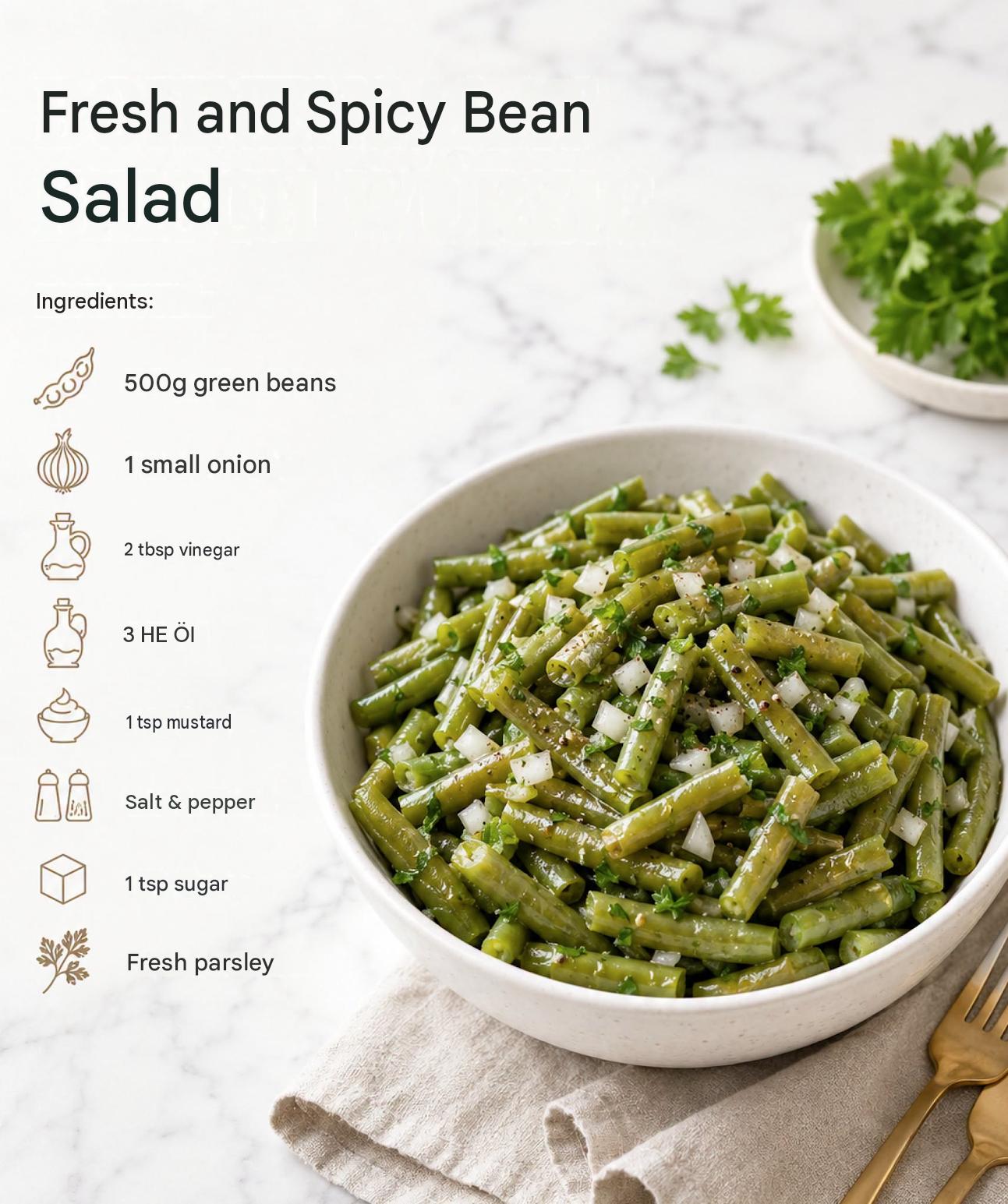
Proteins with each meal: Eggs, Greek yoghurt, beans, or meat can help “alert” your muscles to stay strong.
Scheduling hydration: Drink a glass of water with each meal and one in-between meals.