to keep fluids down.
Severe dehydration can be a medical emergency, particularly in young children, older adults, and people who are already ill.
The Bottom Line
Water may seem ordinary, but your body depends on it constantly.
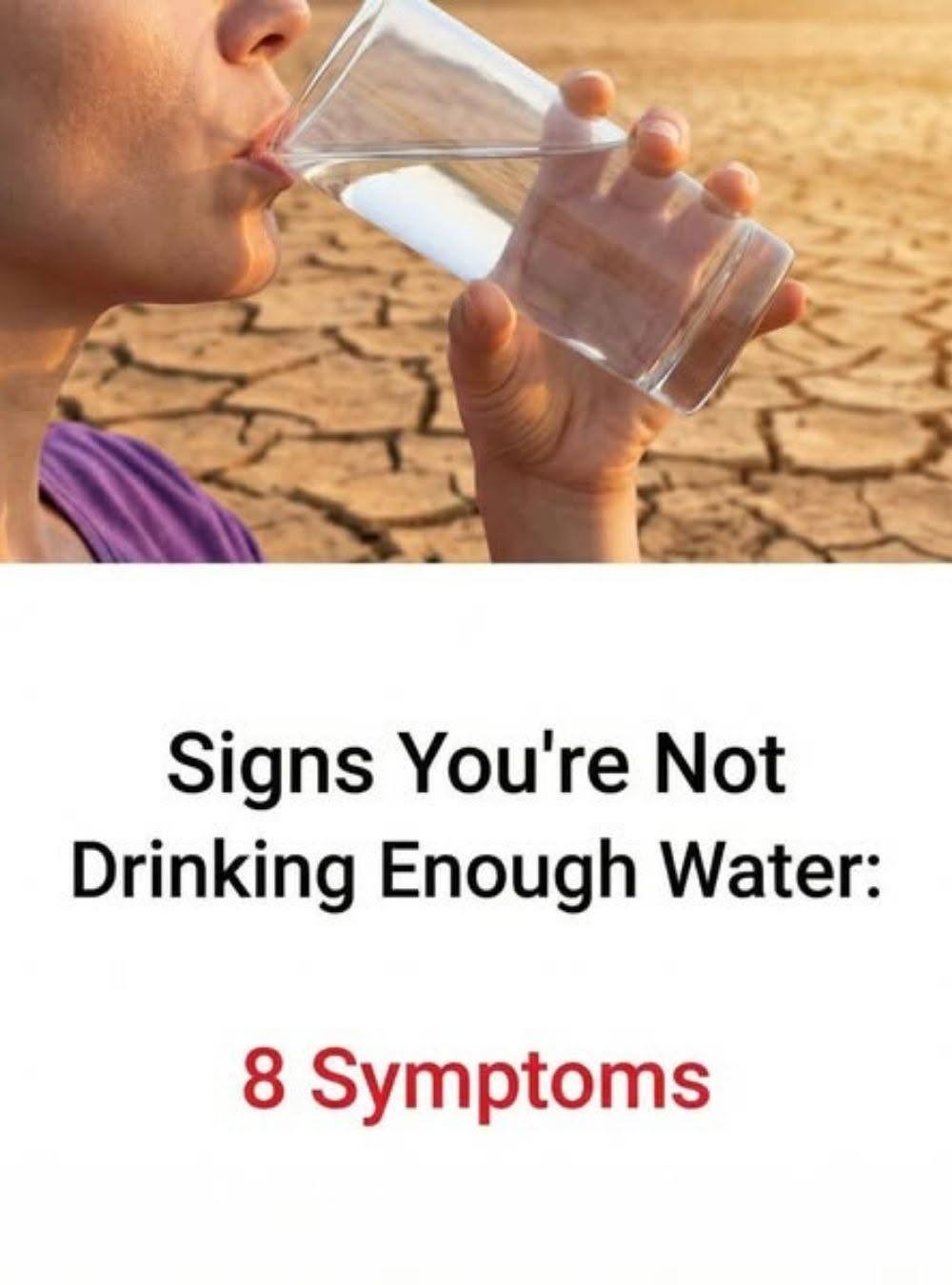
Thirst, dry mouth, darker urine, fatigue, headaches, dizziness, and constipation can all be possible signs that you’re not getting enough fluid.
The best approach isn’t to wait until you’re severely thirsty.
Make hydration part of your everyday routine, pay extra attention during heat and exercise, and remember that your individual needs can vary.