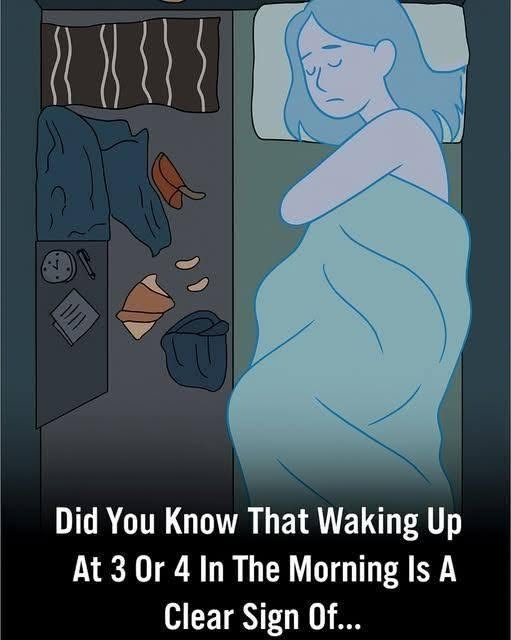
That can make it harder to stay asleep and easier to wake during the night.
Sometimes the problem isn’t falling asleep.
It’s staying asleep.
Your Sleep Schedule May Be Part of the Reason
Going to bed and waking at inconsistent times can interfere with your body’s circadian rhythm.
Your circadian rhythm is essentially your internal timing system that helps regulate sleep and wakefulness.
If that rhythm shifts, you may find yourself becoming sleepy unusually early and waking earlier than expected.
For some people, consistently waking between 3 and 5 a.m. can even be associated with an advanced sleep-wake pattern.
Alcohol and Caffeine Can Also Affect Your Sleep
A drink in the evening may make you feel sleepy initially, but alcohol can disrupt sleep later in the night.
Caffeine consumed too late in the day can also make it harder to maintain uninterrupted sleep.
Other lifestyle factors, including irregular schedules and stimulating activities late at night, can contribute as well.
Your Environment Could Be Waking You
Sometimes the explanation is incredibly simple.
A passing car.
A barking dog.
A partner moving in bed.
A room that becomes too warm.
Light coming through the curtains.
Even relatively subtle environmental disturbances can interrupt sleep.