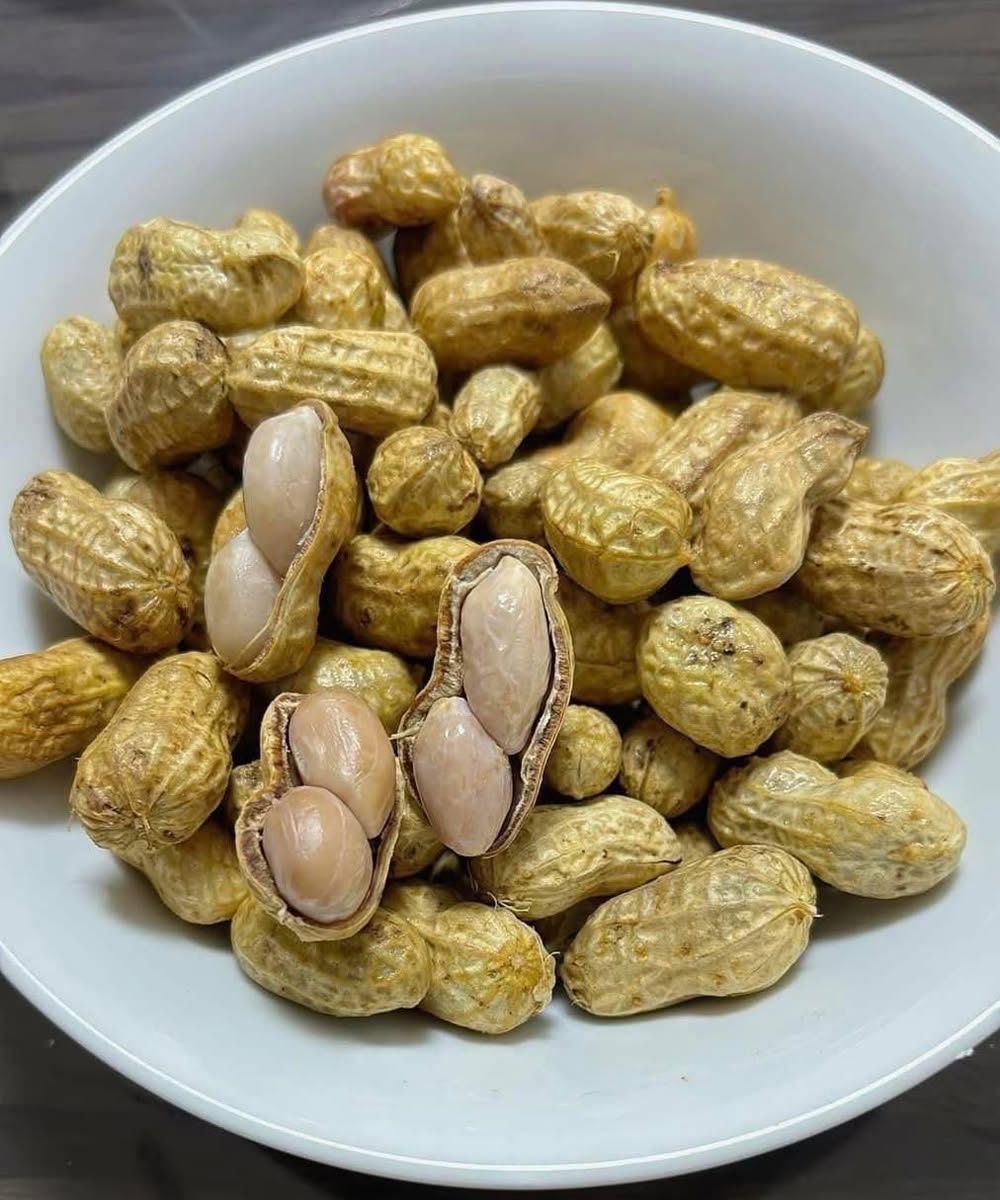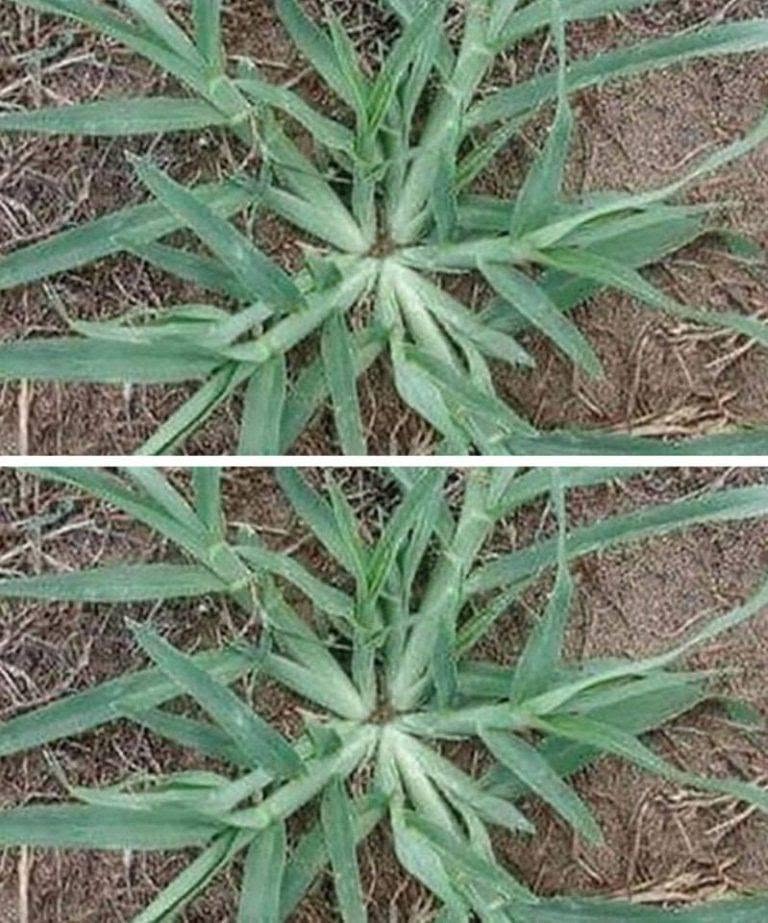
with plenty of texture.
You Can Cook It Too
Purslane doesn’t have to be eaten raw.
The tender leaves and stems can be sautéed with garlic and olive oil, added to soups, or incorporated into vegetable dishes.
Because the plant contains a lot of water, cooking causes it to soften considerably.
A quick sauté is one of the easiest ways to try it.
But Don’t Eat Every Plant You Find
This is extremely important.
Never eat a wild plant simply because it resembles purslane.
Correct identification is essential.
Purslane can be confused with other plants, including certain species of spurge. Some spurges produce a white, milky sap and should not be eaten.
If you’re uncertain about the plant’s identity, don’t consume it.
A reliable field guide or knowledgeable local expert can help with identification.
Where You Find It Matters
Even correctly identified purslane isn’t necessarily safe to harvest from every