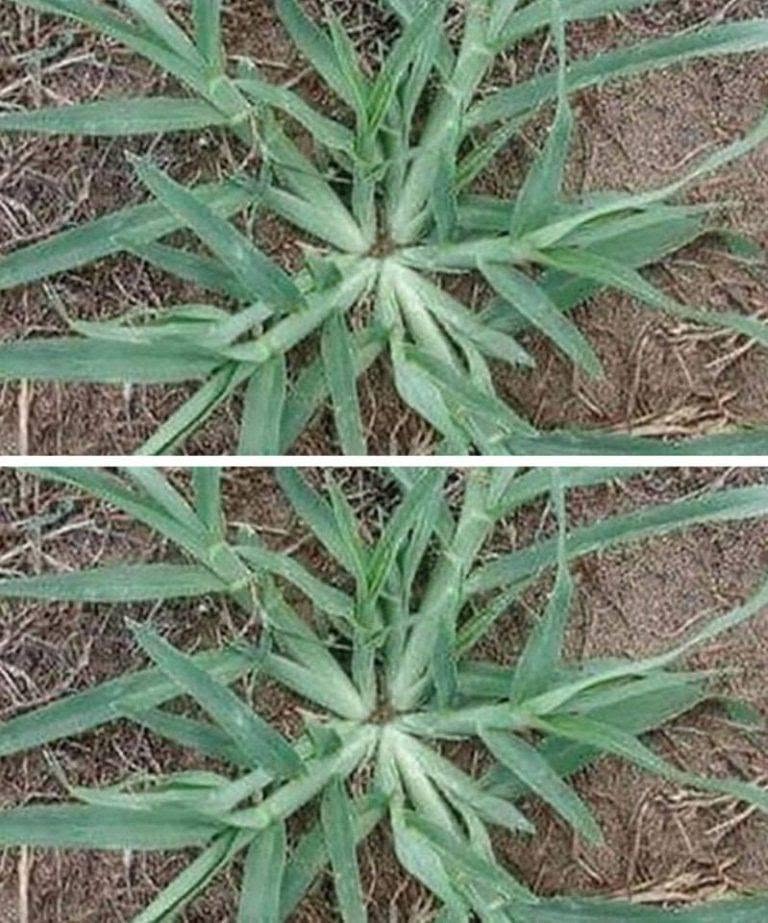
happens to grow between garden plants.
It has been eaten traditionally in Mediterranean, Middle Eastern, Asian, and other cuisines. Its leaves and tender stems can be used raw or cooked.
Nutritionally, purslane is particularly interesting because it provides:
- Vitamin A
- Vitamin C
- Vitamin E
- Potassium
- Magnesium
- Calcium
- Iron
- Dietary fiber
- Plant-based omega-3 fatty acid ALA
It also contains various antioxidant compounds.
That doesn’t make purslane a miracle cure, but it does make this humble plant a surprisingly nutritious addition to a varied diet.
A Fresh, Slightly Tangy Flavor
One reason purslane has remained popular as a food is its distinctive texture.
The leaves are crisp and succulent, while the flavor can have a mild tangy or lemon-like quality.
That makes it particularly good in fresh salads.
Try combining young purslane leaves with:
- Tomatoes
- Cucumber
- Red onion
- Olive oil
- Lemon juice
- Feta cheese
- Fresh herbs
The result is a simple salad