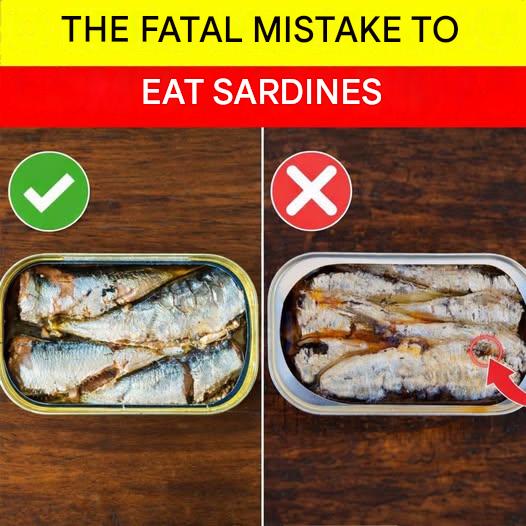
Food cans generally have an internal coating designed to protect the food and prevent the metal from interacting directly with it. Some packaging materials have historically used substances such as BPA.
Because packaging regulations and formulations can vary, consumers who want to reduce exposure can look for products specifically labeled BPA-free when that information is available.
It’s also a good idea to avoid cans that are severely dented, bulging, leaking, or visibly damaged.
How to Choose Canned Sardines More Wisely
You don’t have to stop eating sardines.
Instead, a few simple habits can help you make better choices:
- Check the nutrition facts before buying.
- Compare sodium levels between brands.
- Drain excess liquid when appropriate.
- Consider sardines packed in water or olive oil, depending on your dietary needs.
- Look for simple ingredient lists.
- Choose intact cans without serious dents, swelling, or leaks.
- Vary your protein sources instead of eating canned sardines every day.
- Pair sardines with vegetables, salad, or whole grains for a more balanced meal.
The Bottom Line
Canned sardines can be a convenient and nutritious addition to a balanced diet.
The key is not to treat every can as identical. The brand, ingredients, preservation liquid, sodium content, packaging, and your overall eating habits all matter.