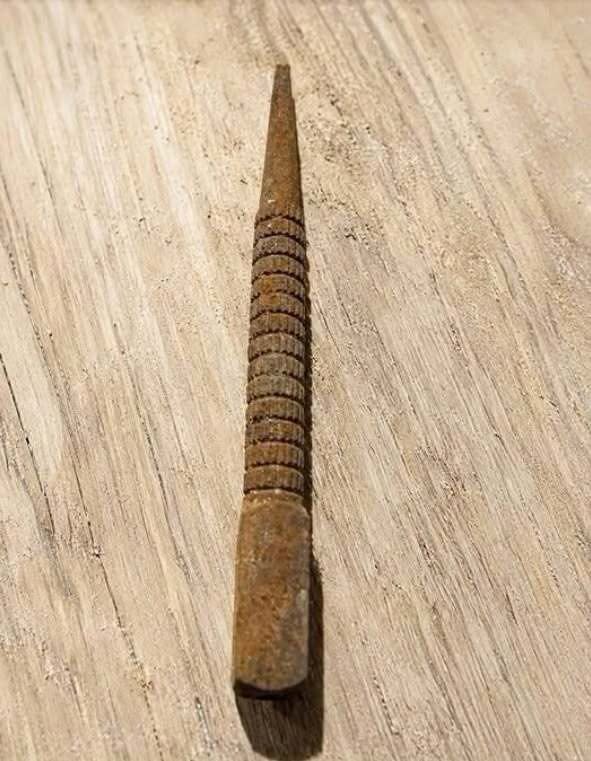
making the nail almost impossible to notice.
For generations, craftsmen have relied on nail punches to create cleaner-looking woodwork. They became particularly valuable for furniture, cabinets, doors, molding, and decorative trim, where exposed nail heads could ruin an otherwise polished appearance. Different sizes and shapes were eventually developed for different nails and applications.
Modern nail punches are generally made from strong steel capable of withstanding repeated hammer strikes. Some feature comfortable handles, while others use spring-loaded mechanisms for easier operation. Choosing the correct tip size is important because a punch that is too large or too small can damage the wood or fail to properly contact the nail.
Nail punches are also useful for restoration and repair projects. When working on older furniture, wooden trim, or delicate surfaces, their compact size and precise control can be preferable to larger tools. They require no electricity or batteries, making them an easy