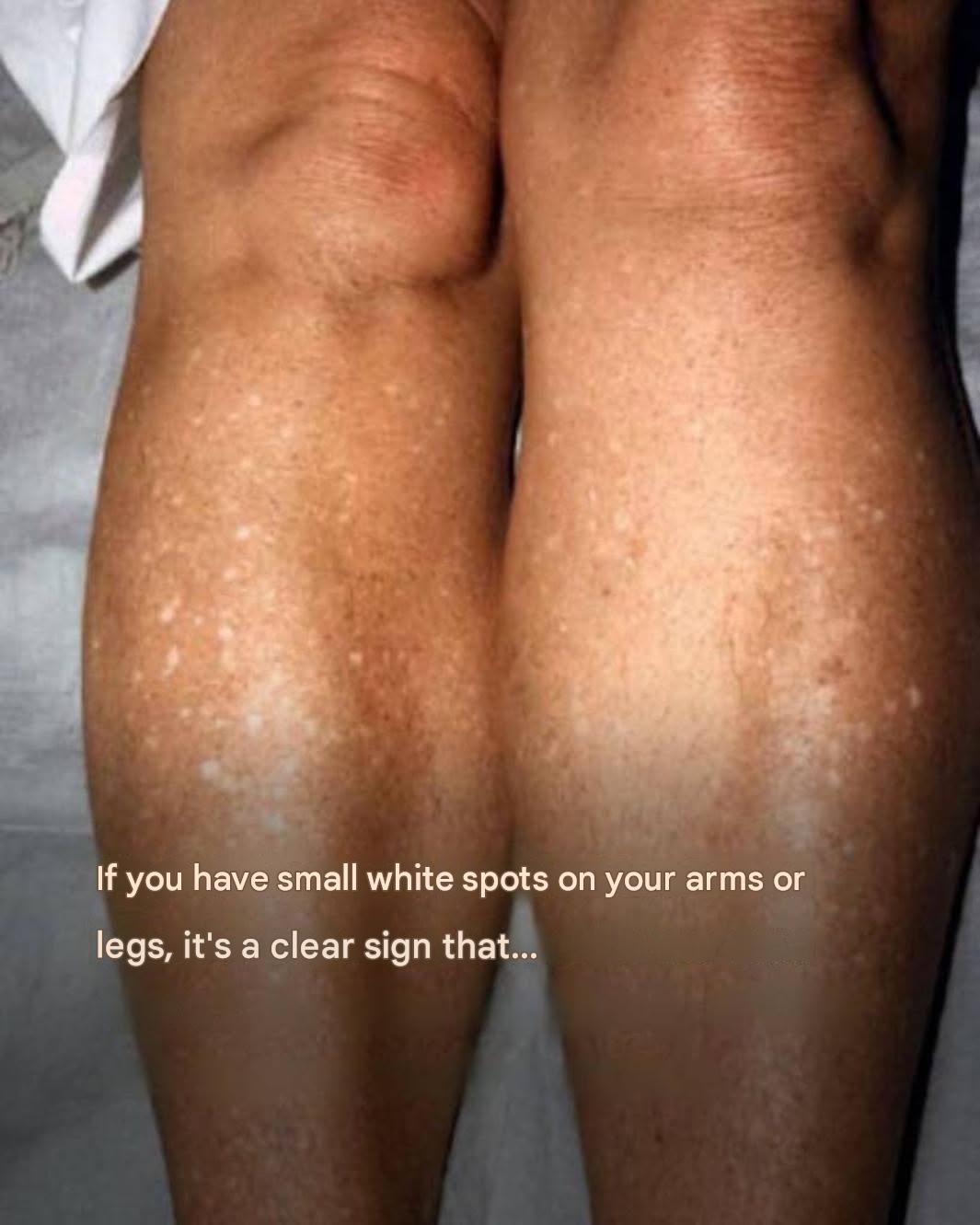
White Spots on the Skin in Summer: Why Do They Appear and How Can They Be Treated?

How Are These Spots Treated?

When pityriasis versicolor is confirmed, treatment generally involves topical antifungal medication. Depending on the extent and location of the condition, this may come in the form of a cream, gel, lotion or medicated shampoo.

For more extensive or recurrent cases, a doctor may sometimes prescribe an oral antifungal treatment.

The appropriate medication, dosage and treatment duration depend on the individual situation. Pregnant women, children and people with other medical conditions should seek professional advice before using antifungal treatments.

Why Do the White Spots Remain After Treatment?

One of the most important things to understand is that clearing the fungal overgrowth does not mean the skin will immediately regain its normal color.

After successful treatment, the lighter patches can remain visible for several weeks or even months. The infection may have disappeared while the skin is still gradually restoring its normal pigmentation.

Therefore, persistent discoloration immediately after treatment does not necessarily mean that the treatment has failed.

Can Recurrences Be Prevented?

Pityriasis versicolor can recur, particularly during hot and humid seasons.

People who experience frequent recurrences may be advised by their doctor to use periodic preventive antifungal treatment. Keeping the skin dry, changing out of heavily sweat-soaked clothing after exercise and avoiding unnecessary skin irritation may also be helpful.

However, prevention strategies should be adapted to each person’s circumstances.

When Should You See a Dermatologist?

You should consider seeing a dermatologist if:

  • You are unsure what is causing the patches.
  • The spots continue to spread.
  • The patches are completely white or sharply defined.
  • They do not improve with appropriate treatment.
  • New areas of depigmentation continue to appear.
  • You develop other unusual symptoms.

A dermatologist can examine the skin and, when necessary, perform additional tests to distinguish pityriasis versicolor from other pigmentation disorders.

Final Takeaway

White or lighter patches that become more noticeable after summer sun exposure are often harmless, but their appearance alone cannot establish the diagnosis.

Pityriasis versicolor is a common possibility, particularly when patches occur on the trunk, shoulders or neck and are associated with heat and sweating. It can usually be treated effectively with antifungal medication, although the skin may take considerably longer to regain its normal pigmentation.

If you notice unexplained white patches on your skin, especially if they are spreading or persistent, a dermatologist can determine the cause and recommend the appropriate treatment.

Medical disclaimer: This article is for general informational purposes only and does not replace professional medical advice, diagnosis or treatment.

Leave a Reply

Your email address will not be published. Required fields are marked *