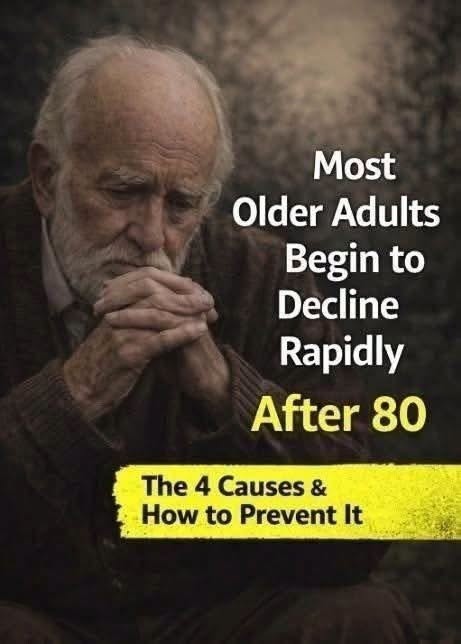
What really shapes life after 80 (and why it’s not what most people think)

Walking for bone density: Walking is not only a cardiovascular activity; its impact on bones helps keep bone density strong, making one less prone to breaks.

Resistance training: No heavy lifting required. Resistance bands and light dumbbells counter sarcopenia (the gradual reduction in muscle mass that comes with aging).

4. The fuel: nutrition and the “thirst gap”

Nutrition at age 80 differs from nutrition at age 40. Although the metabolic rate has slowed down, the demand for certain nutrients rises.

The most frequent error people make is what has been dubbed the “tea and toast” regimen. People opt for foods containing simple carbohydrates because they are easier to cook. The aging body becomes inefficient in handling proteins, so now it is recommended that seniors take in between 1.0 to 1.2 grams of protein per kilogram body weight per day.

Among the weirdest effects on the body during aging include the “thirst gap,” where the part of your brain that detects thirst becomes less effective, causing you to become dehydrated without ever realizing it. Symptoms of dehydration in the elderly include:

Confusion/brain fog

Dizziness

Urinary infections leading to sudden changes in mental state

The strategy:

Proteins with each meal: Eggs, Greek yoghurt, beans, or meat can help “alert” your muscles to stay strong.

Scheduling hydration: Drink a glass of water with each meal and one in-between meals.

Leave a Reply

Your email address will not be published. Required fields are marked *