What’s the Story Behind the Random Hallway Sink?
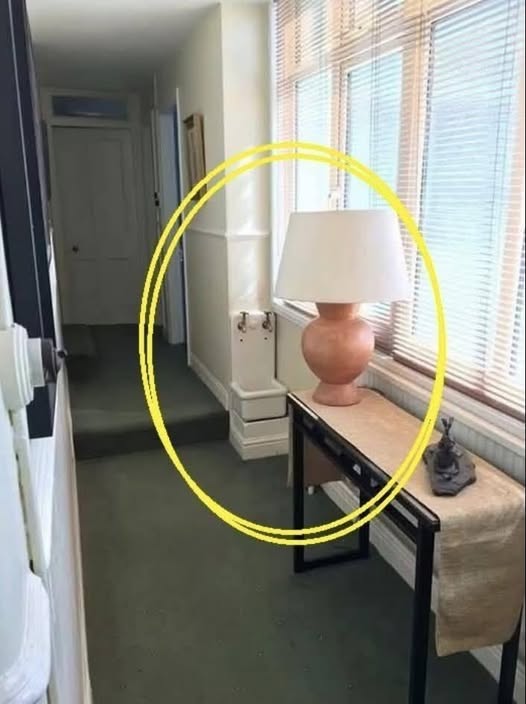
If you’ve ever walked into a historic home and spotted a tiny porcelain sink tucked awkwardly into an entryway or main corridor, you aren’t alone. A viral home-buying post recently set the internet off with speculation about why on earth someone would install a sink right in the middle of a hallway.
Is it an ancient pet drinking station? A butler’s washing bowl? A ritual ablution station? Here is a breakdown of why these quirky features exist, what the internet had to say, and how to handle one if you find it in your own home.
The Architectural Mystery: Common Historical Origins
While hallway sinks look out of place today, they were practical fixtures added to address specific era-dependent needs:
The Post-1918 Hygiene Era: Following the 1918 Spanish Flu pandemic, public health guidelines heavily emphasized handwashing before entering the main living spaces. Homeowners began installing small washbasins near front or side entryways to sanitize before greeting the family.
The Butler or Slop Sink: In larger Victorian or early 20th-century estates, service corridors contained low-slung utility sinks. These allowed house staff to fill and empty mop buckets or scrub items without lugging heavy water basins through carpeted rooms.
Washing Before Meals: In mid-century homes without a ground-floor powder room, a small basin in the hallway allowed family members and guests to quickly wash their hands before sitting down at the dining table.
Religious & Cultural Practices: In homes tailored for Muslim families, low-mounted hallway or entry basins are frequently added to perform Wudu (ritual washing of the hands, face, and feet) prior to daily prayers.
What the Internet Speculates
When home buyers post these oddities online, the comment section usually delivers a mix of legitimate historical insight and pure comedy:

Leave a Reply

Your email address will not be published. Required fields are marked *