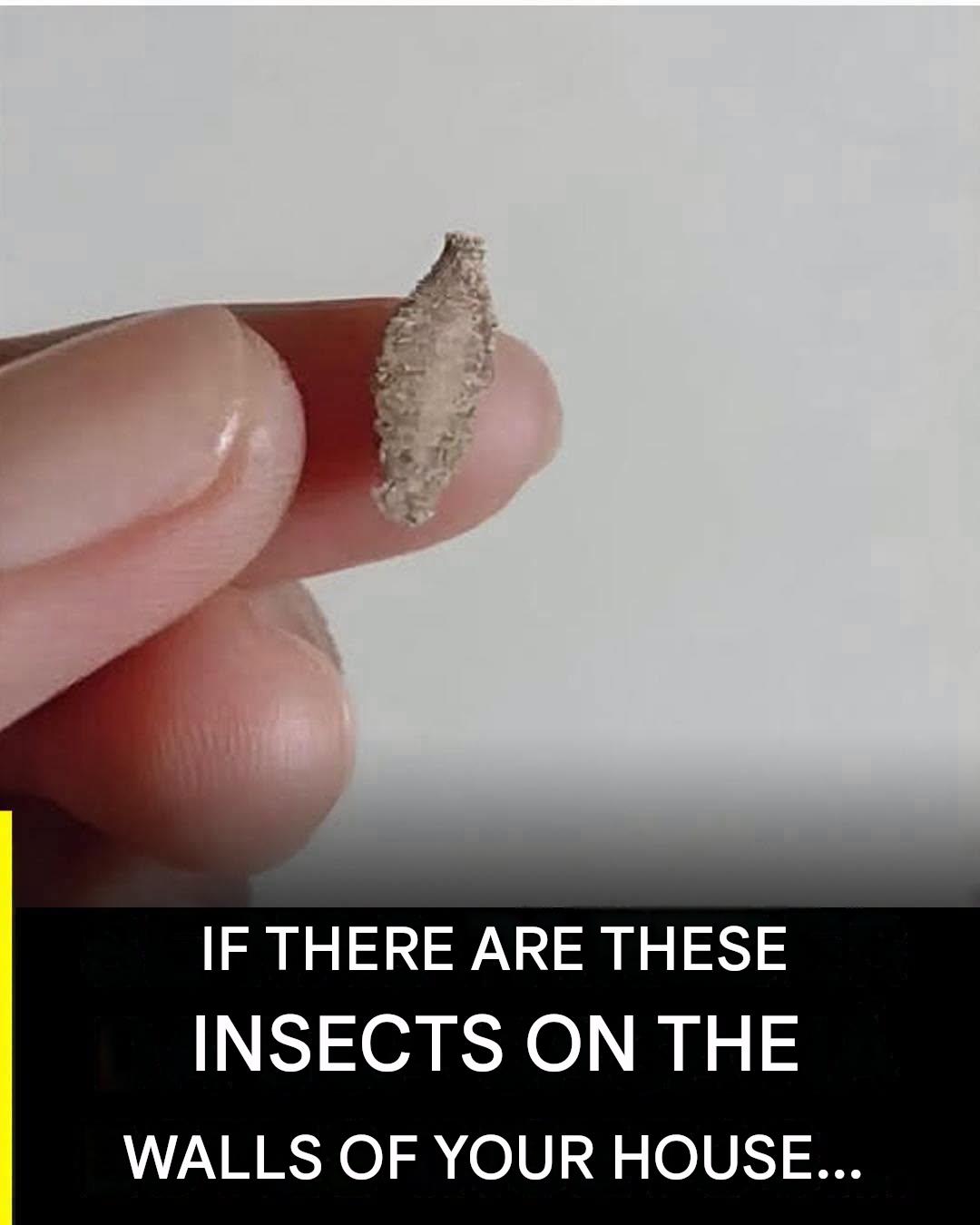
the most fascinating things about these insects is how their protective case is made.
The larva can incorporate materials found in its surroundings, including:
- Hair and fibers
- Textile fragments
- Dust
- Small pieces of organic material
- Other debris found around the home
Because the materials vary from one environment to another, the cases can have different colors and appearances. Some blend surprisingly well with walls, ceilings, furniture, and other surfaces.
Where Are They Usually Found?
These larvae tend to favor quiet, protected areas where they are less likely to be disturbed.
You may notice them around:
- Ceilings and upper corners
- Behind furniture
- Along baseboards
- Closets
- Areas that aren’t cleaned frequently
- Other sheltered parts of the home
Their slow movement and camouflage can make them surprisingly difficult to notice.
What Do These Larvae Eat?
Case-bearing moth larvae feed on materials containing keratin, a protein found in various animal-derived materials.
Depending on the