caught unprepared in the face of such a phenomenon.
The Invisible Dangers of Direct Observation
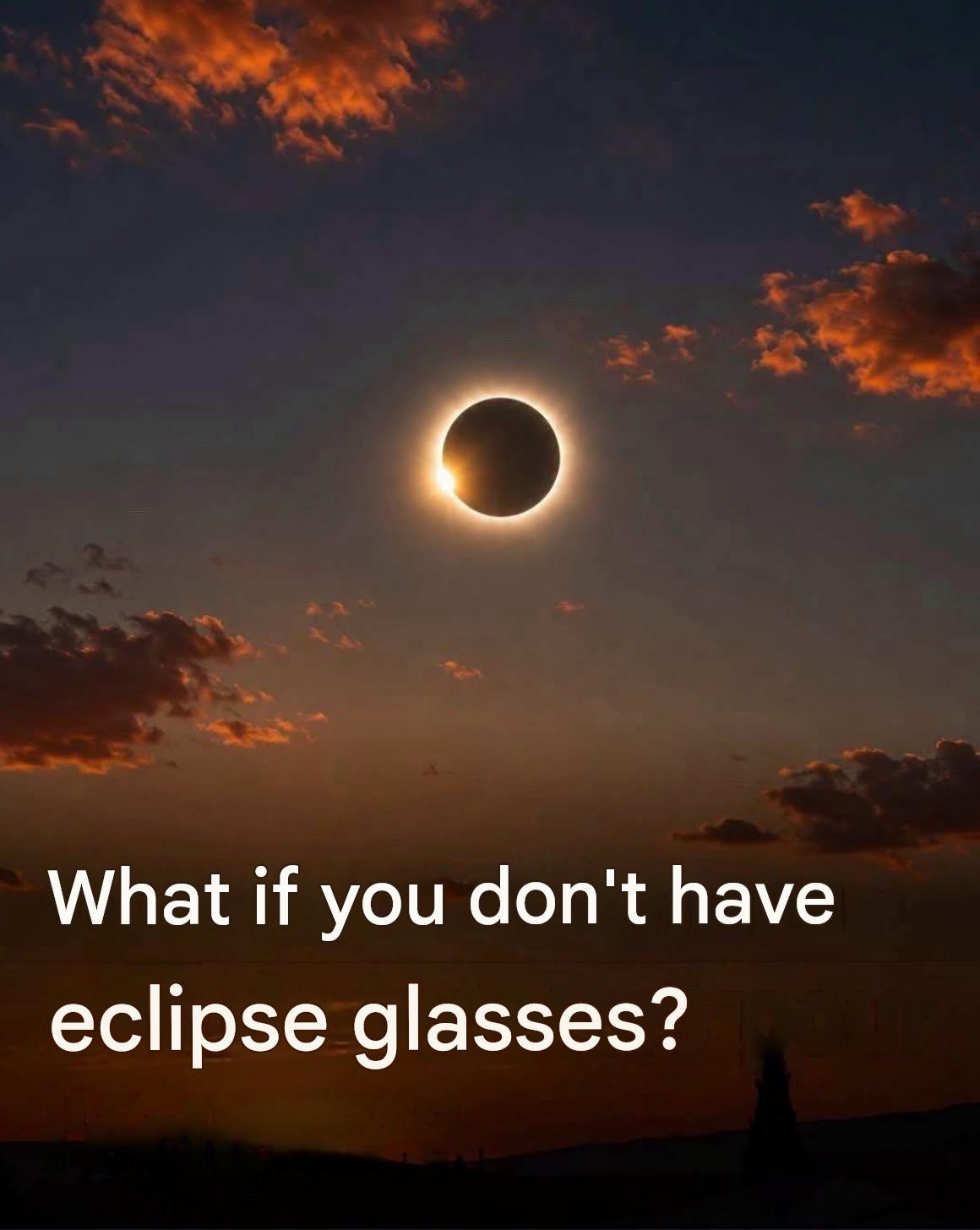
Staring at the Sun during a partial solar eclipse doesn’t trigger any immediate warning signs. The pupil, dilated by the surrounding darkness, allows in a flow of radiation far exceeding what the eye can withstand. The retina, the fragile membrane lining the back of the eye, has no pain receptors. As a result, photochemical burns, known as solar retinopathy, occur without any noticeable symptoms. The first symptoms—a blurred spot in the center of the field of vision, distorted lines, and sensitivity to light—may not appear until several hours after exposure, often upon waking the following morning.
Ophthalmologists regularly remind us that there is no miracle cure for this condition. In most cases, visual acuity never fully recovers. Children and teenagers are particularly vulnerable because their more transparent lenses allow more ultraviolet radiation to pass through.