I Ordered a Pizza in the Evening—and Noticed Something Strange
When I opened my pizza box that evening, something immediately caught my attention.
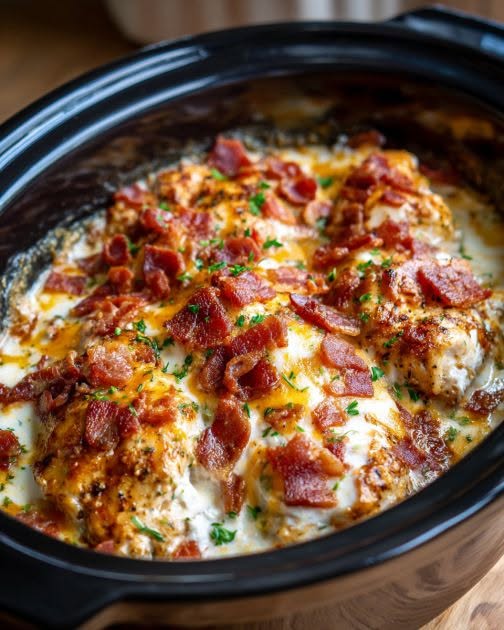
The cheese wasn’t perfectly smooth. Instead, it was covered with small bubbles and slightly raised spots. At first, I wondered whether something had gone wrong during cooking.
But the strange-looking surface actually has a simple explanation.
Why Does Pizza Cheese Bubble?
The bubbles are usually caused by a combination of moisture, heat, and the type of cheese used. As the pizza cooks, moisture inside the cheese turns into steam. That steam can become trapped beneath the melting surface, producing small bubbles.
High cooking temperatures can make the effect even more noticeable. Some cheeses are also naturally more likely to blister and bubble than others.
Is Bubbly Cheese Safe to Eat?
In general, bubbles that form while cheese is being cooked are not a sign that the pizza