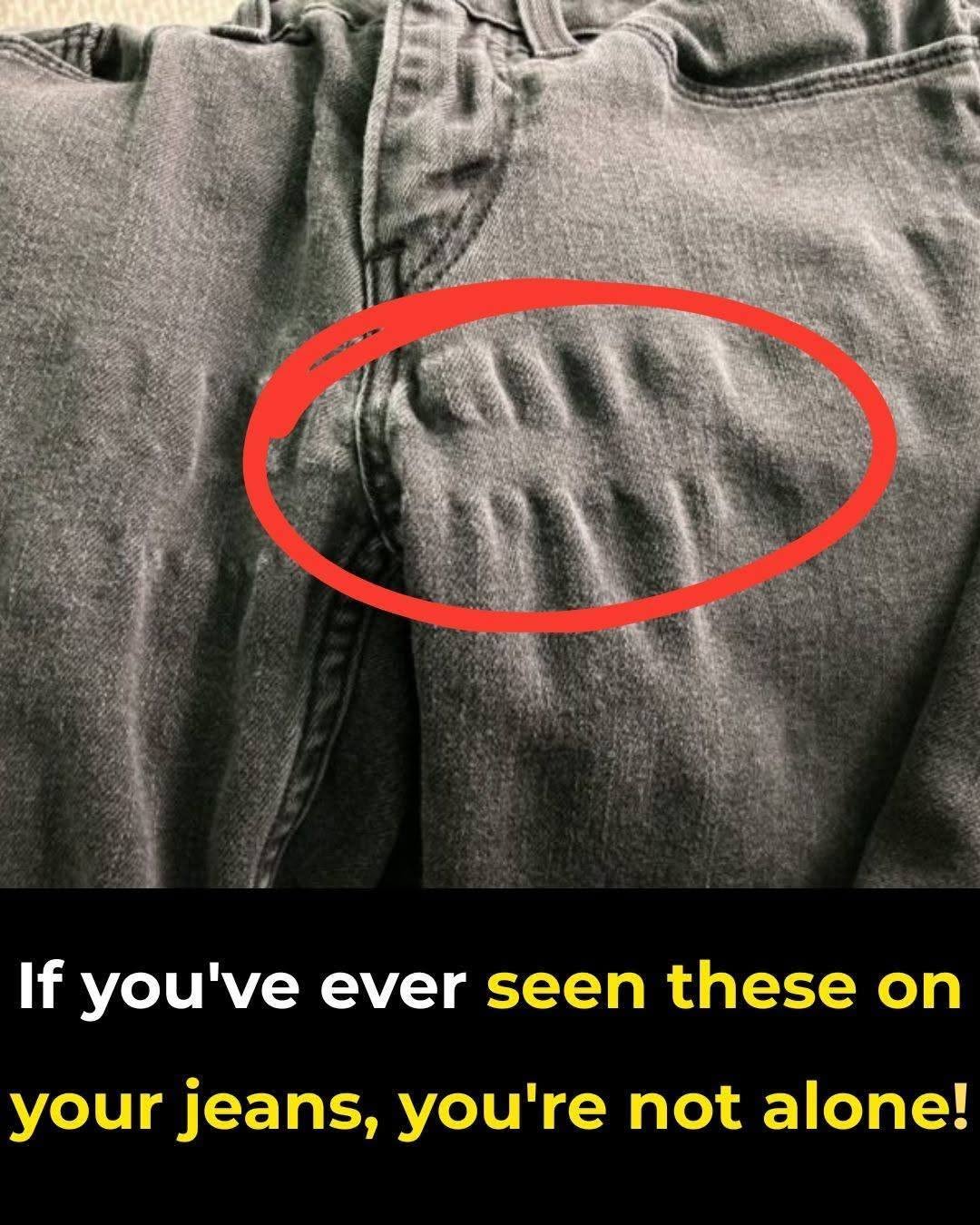
The individual panels are cut and sewn together, with seams running along the legs. When denim shrinks, the fabric can move in different directions depending on how the yarns were woven and how the pieces were cut.
This can cause the side seam to shift toward the front or back of the leg.
In some jeans, the effect is barely noticeable.
In others, it can become surprisingly obvious.
What Is “Leg Twist”?
The phenomenon is often called leg twist or twisted-leg denim.
Instead of the seam remaining perfectly along the side of your leg, it gradually rotates.
You might notice that the seam seems to move toward the front of your calf or toward the back.
This can happen even when the jeans fit perfectly when you first buy them.
The effect is particularly noticeable after repeated washing because the fabric continues to respond to moisture, heat, friction, and movement.
Why Some Jeans Twist More Than Others
Not all denim behaves the same way.
Several factors can influence how much twisting occurs.
1. The Weave
The direction and structure of the weave can affect how the fabric changes shape.
Denim is commonly woven with a diagonal pattern, and the way the yarns interact can contribute to uneven movement during washing.