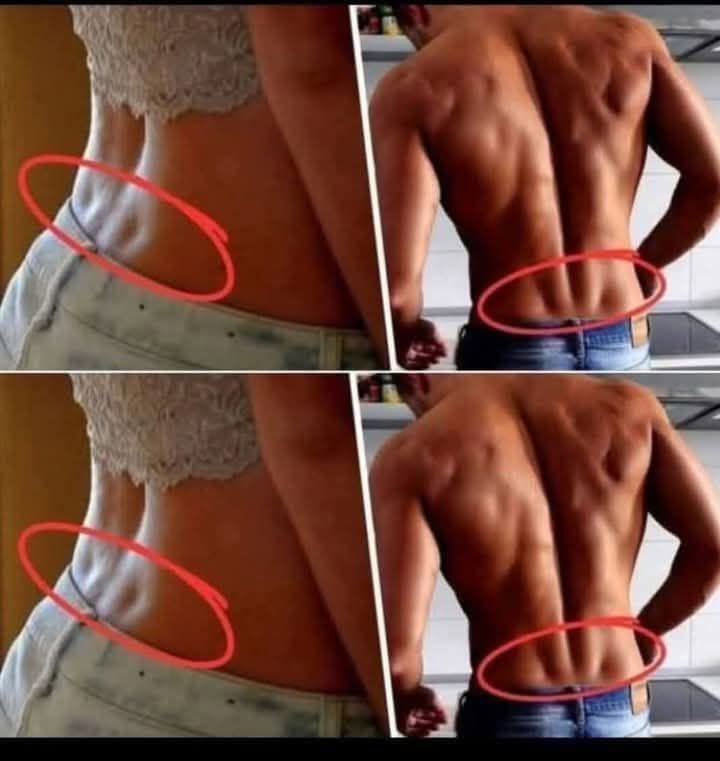
When Should You Pay Attention to a New Indentation?
A typical pair of symmetrical lower-back dimples is generally just a normal anatomical variation.
However, if you notice a new or changing indentation, particularly if it is accompanied by pain, swelling, skin changes, numbness, weakness, or other unusual symptoms, it is worth discussing with a healthcare professional rather than assuming it is simply a Venus dimple.
The Bottom Line
Those two small indentations above the buttocks may look mysterious, but in most cases they’re simply a fascinating example of normal human anatomy.
Venus dimples are largely determined by genetics and the way your skin and connective tissues interact with the underlying pelvic structures.
They may be considered attractive by some people, and changes in body composition can make them more noticeable, but they are not a reliable measure of health, fitness, fertility, or physical ability.
Whether you have them or not, your body is perfectly capable of being healthy and strong.
Sometimes, a distinctive physical feature is simply that—a distinctive feature.