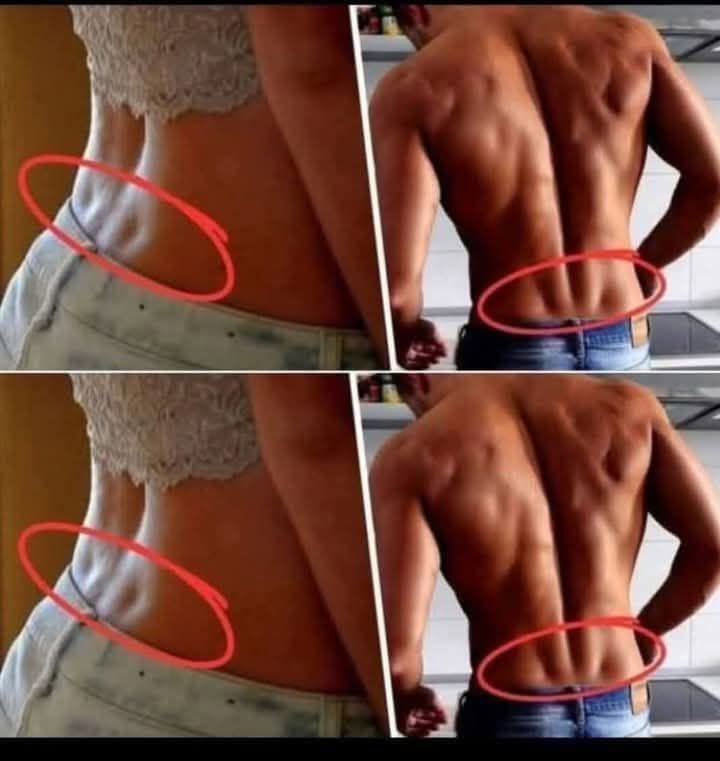
mean that everyone who has visible Venus dimples is particularly athletic or that someone without them needs to lose weight.
They are primarily a feature of individual anatomy.
Can Exercise Create Venus Dimples?
Not if the underlying anatomical structure isn’t already there.
Exercises can strengthen the muscles around your back, hips, and core and may change the definition of the area. Changes in body composition can also make naturally occurring dimples easier to see.
But exercise cannot manufacture the specific anatomical attachment that produces a true Venus dimple.
So if you don’t have them, there’s no special workout you need to perform to develop them.
Are Venus Dimples Rare?
Not necessarily.
Although they can look distinctive, lower-back dimples occur in people with many different body types. Their visibility varies considerably from one person to another.
Two people with similar fitness levels can have completely different appearances simply because their skeletal