- may appear reddish or purplish
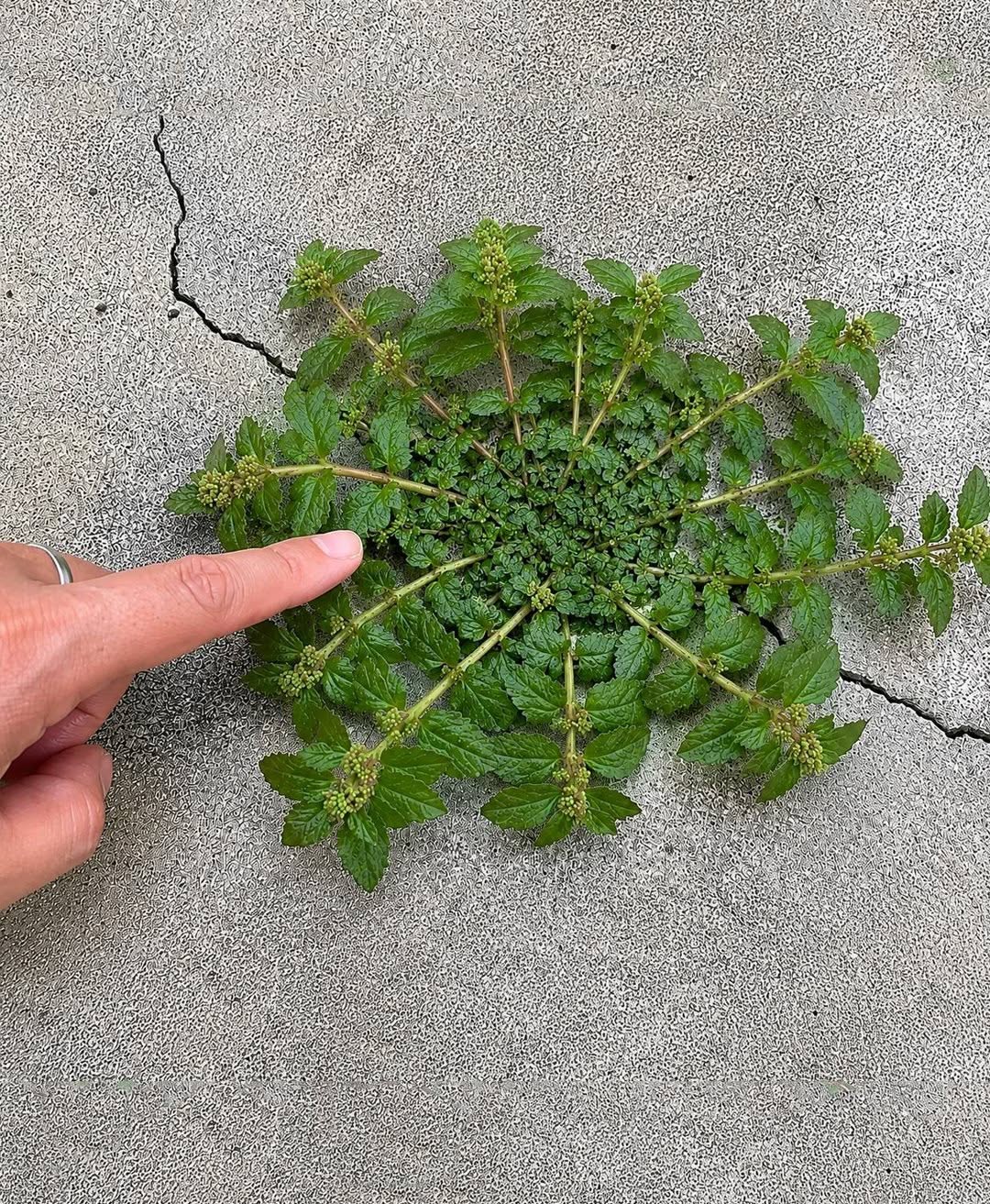
- Small, opposite leaves
- Tiny clustered flowers
- A milky latex that appears when the stem is broken
It commonly grows in tropical and subtropical environments and can thrive in soils where many other plants struggle.
Why Has This Small Plant Been Used Traditionally?
Traditional healers have used different parts of Euphorbia hirta, including its leaves, stems, flowers, roots, and aerial portions.
Its traditional applications have included respiratory complaints, digestive problems, urinary concerns, skin conditions, and fever.
However, traditional use does not automatically mean that a treatment has been proven effective or safe by modern clinical research. That distinction is important when evaluating herbal remedies.
Traditional Respiratory Uses
One of the best-known traditional uses of Euphorbia hirta involves respiratory complaints.
It has historically been used for:
- Coughs
- Wheezing
- Bronchitis
- Respiratory congestion
- Asthma-related symptoms
This history is one reason the plant became known as “asthma weed.”
Traditional preparations